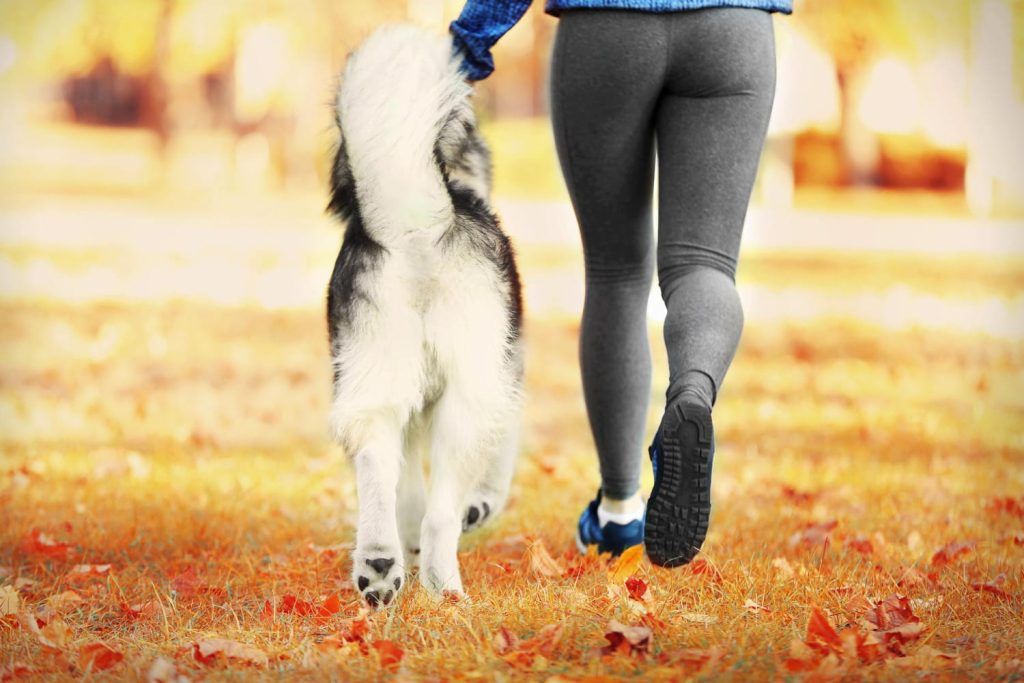
Dog parks are increasingly appearing in residential estates and urban areas, responding to the growing needs of pet owners. These are designated areas where dogs can run freely, play, and learn to interact with other animals. A well-designed dog run takes into account both the comfort of the pets and the convenience of their handlers, combining functionality, safety, and aesthetics. In this article, we will look at how to create such spaces so that they are practical, durable, and friendly for the entire local community.
Initiating the project and securing funding
When implementing a dog run in a residential area, it is worth starting with the people. Ideally, with a group of residents who genuinely care about creating such a space. Committed dog owners are a huge support, as they assist not only in organization but also increase the chances of the project being positively received.
The next step is to find funding. One of the most frequently chosen options is the Civic Budget. With the residents’ support, it can fully fund the investment. It is also worth checking municipal grant programs and other forms of support for local initiatives.
Cooperation with local government authorities is also of significant importance. It facilitates choosing the right location, as well as obtaining the necessary approvals and handling formalities. A well-conducted dialogue with the office can significantly speed up the entire process.
Finally, communication with residents is crucial. Showing the benefits that a dog run brings to both dogs and their owners helps build support and address any potential concerns. As a result, the project has a greater chance of becoming not just a functional place, but also a space that integrates the local community.
Designing a safe and functional space
Designing a safe and functional space for dogs in a residential estate is a task that requires considering both the needs of the pets and the comfort of their owners. Appropriate solutions affect not only the convenience of daily use but also the safety and quality of quality time spent together. Below are the most important elements worth considering when planning such a place.
Choosing the location and planning the area
The placement of the dog run is one of the most critical elements of project planning. Choose a location that residents can easily reach, with decent access and parking. Consider proximity to green spaces, which minimizes noise and provides comfort to users. This will make the dog run ideal not only for dogs but also for their owners, who will gladly spend time there. Try to avoid areas close to residential windows to prevent noise complaints.
Plan the terrain, taking into account the natural topography and existing vegetation, such as trees or shrubs. These elements not only enhance aesthetic value but also provide shade on hot days. Preserving natural vegetation supports local fauna and flora, in line with sustainable development principles. Use the space effectively by creating zones for activity and relaxation. Here are the essential elements worth considering when designing a dog run:
- access to drinking water and street furniture elements,
- benches for dog owners,
- division of the area into zones,
- safe interaction for different user groups.
A dog run planned this way will allow dogs not only to run and exercise but also to relax in the shade.
Fencing and zoning the dog run
Fencing and partitioning the dog run are important elements for the safety and convenience of using this space. Metal fencing with a height of 1.5–1.8 m is the best choice. It should be sturdy and feature a concrete foundation to prevent dogs from digging under it. This ensures protection against uninvited guests and peace of mind for pet owners. Gates and entry gates are of great importance. Ideally, they should be equipped with a double-gated entry airlock system. This helps prevent escapes during entry or exit. Latches should be strong and difficult for dogs or children to open. It is beneficial to divide dog runs into different zones so that animals have optimal conditions for play and rest, such as:
- an entry zone where owners can bring in their dogs calmly,
- an activity zone with obstacles and agility courses,
- a resting zone with benches and shaded areas,
- separate areas for small and large dogs.
We should avoid sharp edges and hazardous elements to ensure the safety of both dogs and people. When designing a dog run, it is good to thoughtfully plan the layout of zones and the organization of the space.
Appropriate surfacing
Appropriate surfacing on a dog run is key to ensuring safety and comfort. It should be not only soft but also durable and easy to clean. There are several natural materials that are excellent for this purpose. It is worth considering:
- sand,
- grass,
- wood chips.
These materials cushion the dogs’ movements and protect their paws, minimizing the risk of slipping, which is particularly important for active pets. You can also consider special training mats and rubber surfacing. They perform exceptionally well in heavily used areas, especially near agility equipment, providing extra cushioning and slip resistance. This significantly enhances safety during intense play and training.
When designing the surfacing, take the natural topography of the land into account. Avoid muddy areas. Pathways made of sand or gravel will add variety, but they should be planned wisely so that the materials do not mix or lose their properties. The final choice of surfacing may depend on the budget and the maintenance method. Regular maintenance and cleanliness are essential to ensure safety and comfort in the long run.
Dog run equipment and street furniture
A dog run is about more than just a place to play. Focus on street furniture elements. Here is what is worth taking into account:
- benches and covered gazebos,
- trash cans and dog waste bins with bags,
- a water bowl and a tap so dogs have easy access to water,
- rules boards and leash hangers,
- a dog toilet to ensure hygiene.
Everything should be made of durable materials to remain visually appealing and serve for years.
Agility equipment and obstacles
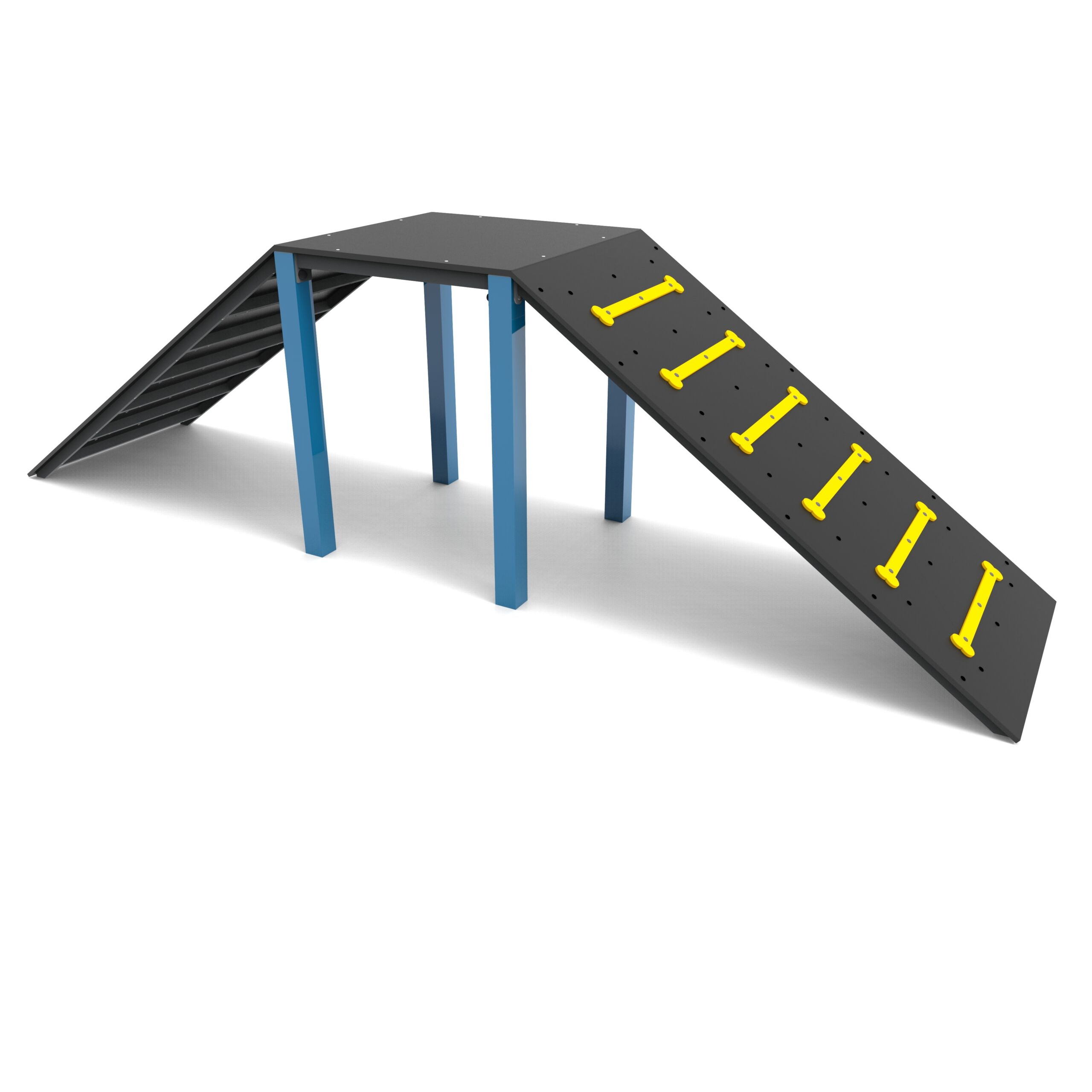
Playing with agility equipment and obstacles on a dog run is an excellent way to care for the health and fitness of our four-legged friends. Thanks to well-prepared courses, dogs not only improve their physical condition but also develop their coordination. When choosing equipment, remember safety and the durability of the materials. The most common obstacles include:
- tunnels,
- dog walks,
- slalom poles,
- jump hurdles.
Agility courses can have different levels of difficulty. Ensure appropriate distance between obstacles, as this allows the dog to move smoothly and reduces the risk of injury. Everything should be stable, with no sharp protruding parts. A diverse course not only makes training more engaging but also helps burn off dog energy and induces tiredness. When agility equipment is combined with street furniture, the dog run becomes an attractive place for both dogs and their handlers. If you want to learn more about street furniture, check out our article “What does the term street furniture mean?”.

Rules of use and cleanliness maintenance
Keep the dog run clean to ensure comfort and safety for all users. Here is what you can do to maintain order:
- place waste bins and bag dispensers in selected areas,
- share information with residents through leaflets and boards,
- clearly define in the rules what owners should clean up and how to care for their dogs’ health, including vaccinations.
Manage the dog run by regularly cleaning and caring for hygiene. Thanks to this, dog owners will be happy to use this space, while also ensuring the safety of all visitors.
Rules and dog run management
Rules are the foundation that keeps the space clean and safe. Above all, it is important that owners clean up after their dogs and keep them under control. The rules should also require up-to-date vaccinations, as this helps prevent the potential spread of diseases. Effective dog run management consists of:
- caring for infrastructure and regular cleaning,
- cooperating with local communities and authorities,
- organizing themed meetups,
- distributing educational leaflets,
- teaching responsible use of the dog run.
Caring for the space fosters neighborhood integration. The activity of dog owners and their cooperation are crucial in maintaining order. When owners follow the rules, the dog run becomes a friendly and safe place for both dogs and their handlers.
If you are planning to create such a space or want to upgrade an existing dog run, opt for proven and durable solutions. Correctly selected elements affect not only the comfort of use but also the safety and aesthetics of the entire place. If you are looking for dog run accessories, our Dog Run series is an excellent choice – you will find functional and durable solutions tailored to the needs of dogs and their handlers.
When planning or developing such a space, it is worth choosing solutions that are durable, safe, and tailored to the actual needs of users. Properly selected equipment affects not only the comfort of the dogs but also the convenience of their handlers. In such projects, elements from our Dog Playground series, designed for intensive use and daily outdoor activities, work exceptionally well.